
Lithuania marked Safer Internet Day (SID) 2026 with a month-long programme of activities bringing together schools, libraries, policymakers and young people across the country. Through contests, educational events and community activities, the initiative itself reached over 250 000 people, while media coverage extended its message to many more.

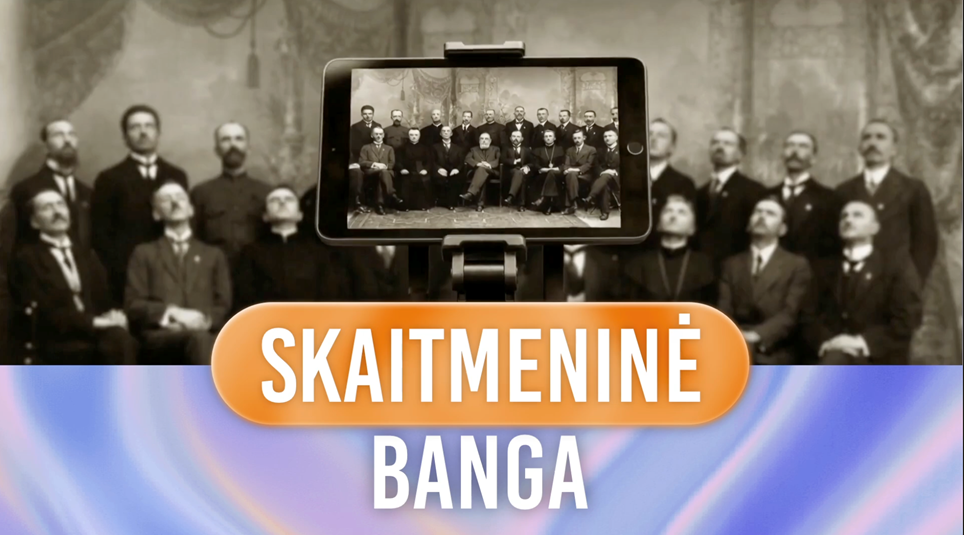
At the heart of the celebrations was the national event Digital wave (Skaitmeninė banga in Lithuanian), which connected over 132,000 participants online and onsite, making it one of the largest digital education events organised in Lithuania.
Students reflect on social media
Safer internet month began on 1 February with a national contest inviting pupils to reflect on their experiences with social media. Students explored questions such as when children should start using social media, what healthy screen time might look like, and how online platforms influence their everyday lives.
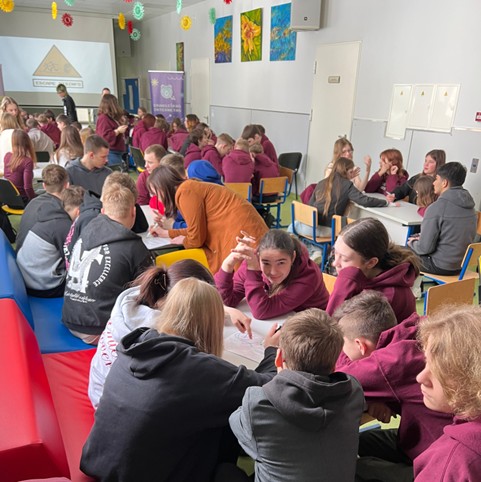
The contest attracted strong interest: 51 schools submitted more than 100 creative works. Five winning schools were selected, and the Safer Internet Centre organised interactive workshops in each of them, giving pupils the opportunity to discuss digital habits, online safety and wellbeing with experts.
Digital wave connects thousands of learners
The central Safer Internet Day event took place on 10 February under the title Digital wave, hosted at the A. Mickevičius Library in Vilnius and streamed nationwide.
Lessons and discussions were tailored to different age groups and covered topics such as media literacy, online safety and emerging technologies. Participants explored issues ranging from drones and innovation to the environmental impact of digital infrastructure, including the growing resource demands of AI. Among the speakers was Povilas Kulis, one of the winners of the World Robotics Championship, who shared insights about robotics and technology with young audiences.
The programme was designed for all generations – children, parents, caregivers, educators and seniors – highlighting the shared responsibility of building a safer digital environment. In the afternoon, the Digital Wave continued in a decentralised format with activities organised in more than 60 public libraries across Lithuania, enabling communities throughout the country to take part locally.
Partnerships across institutions
Throughout the month, members of the Lithuanian Safer Internet Centre consortium participated in and organised numerous events and public discussions.
Representatives from the helpline and hotline took part in the conference “Internet without a mask – mission (im)possible” hosted by the Lithuanian Parliament, where experts from institutions including the Consumer Rights Agency, Child Rights Protection Service and the Lithuanian Banks’ Association discussed current online safety challenges.
The helpline also organised a public lecture for parents at the Contemporary Art Centre in Vilnius, focusing on how families can better support children navigating digital environments.
Meanwhile, the association “Langas į ateitį” collaborated with public libraries across Lithuania to organise safer internet month events. In partnership with the documentary platform NK-Doku, libraries hosted screenings of films addressing young people’s relationship with digital technologies, including the 2024 documentary Can’t feel nothing. Schools were also encouraged to celebrate the day through coding activities and to register their initiatives on the EU Code Week map under the hashtag #Code4SID2026.
Teachers, policymakers and youth join the discussion
Educators were invited to participate in training sessions organised by the Lithuanian Agency of Non-Formal Education (LINESA). An online seminar on children’s experiences on social media featured Rasa Jauniškienė, co-founder of the Digital Ethics Centre, who presented research on children’s exposure to harmful online content. The topic is also gaining political attention. Discussions are underway in Lithuania about raising the minimum age for social media access to 16, with experts from LINESA contributing to public debates and media discussions.
Young people themselves played an active role during safer internet month. Members of the Lithuanian youth panel organised activities in their schools and communities, including presentations, online safety quizzes, and inviting local police officers to discuss cybercrime and digital responsibility.
Accessible and inclusive activities
Accessibility was an important focus of the celebrations. The Digital wave event included live sign-language interpretation, and its website was designed with accessibility features for people with visual impairments. Activities in public libraries ensured that communities in smaller towns and rural regions could participate, while school workshops were organised in institutions that included students from vulnerable and disadvantaged groups.
Strong public engagement
Safer Internet Day activities also received strong media attention. Consortium partners reported 43 online media articles, two TV appearances and a coverage on Žinių radijas, a well-known Lithuanian news radio station.
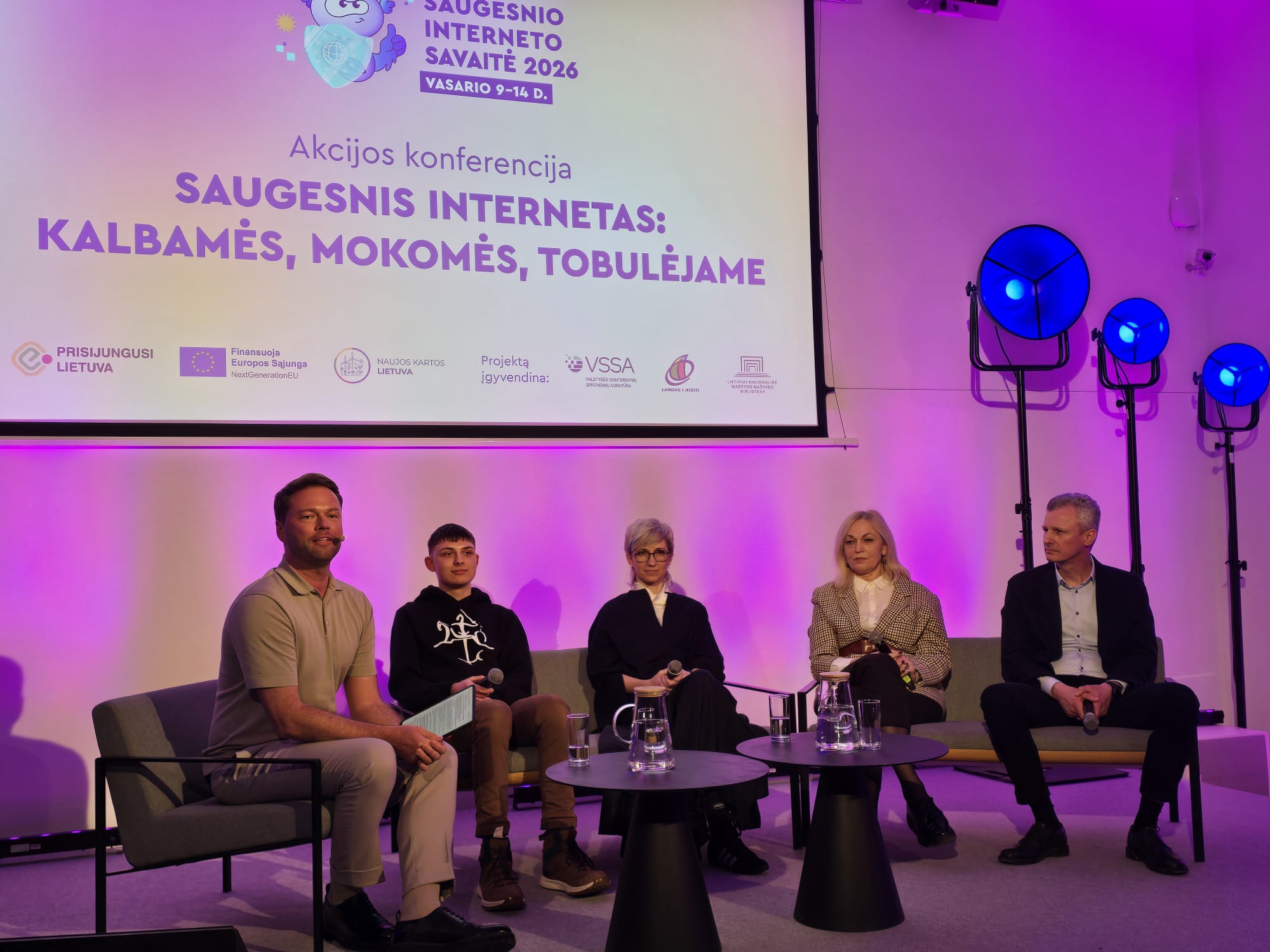
The safer internet month concluded with the conference “Safer internet: we talk, learn and improve”, bringing together stakeholders to reflect on the initiatives and discuss ongoing challenges such as cyber threats, online scams and safer digital services.
Through nationwide cooperation and strong youth engagement, Safer Internet Day 2026 in Lithuania helped spark a broad public conversation and curiosity about responsible digital use and online safety.
Find out more about Safer Internet Day in Lithuania. Alternatively, find more information about the work of the Lithuanian Safer Internet Centre, including its awareness raising, helpline, hotline, and youth participation services, or find similar information for other Safer Internet Centres throughout Europe.
More on internet usage, practices and engagement


Lithuania marked Safer Internet Day (SID) 2026 with a month-long programme of activities bringing together schools, libraries, policymakers and young people across the country. Through contests, educational events and community activities, the initiative itself reached over 250 000 people, while media coverage extended its message to many more.
At the heart of the celebrations was the national event Digital wave (Skaitmeninė banga in Lithuanian), which connected over 132,000 participants online and onsite, making it one of the largest digital education events organised in Lithuania.
Students reflect on social media
Safer internet month began on 1 February with a national contest inviting pupils to reflect on their experiences with social media. Students explored questions such as when children should start using social media, what healthy screen time might look like, and how online platforms influence their everyday lives.
The contest attracted strong interest: 51 schools submitted more than 100 creative works. Five winning schools were selected, and the Safer Internet Centre organised interactive workshops in each of them, giving pupils the opportunity to discuss digital habits, online safety and wellbeing with experts.
Digital wave connects thousands of learners
The central Safer Internet Day event took place on 10 February under the title Digital wave, hosted at the A. Mickevičius Library in Vilnius and streamed nationwide.
Lessons and discussions were tailored to different age groups and covered topics such as media literacy, online safety and emerging technologies. Participants explored issues ranging from drones and innovation to the environmental impact of digital infrastructure, including the growing resource demands of AI. Among the speakers was Povilas Kulis, one of the winners of the World Robotics Championship, who shared insights about robotics and technology with young audiences.
The programme was designed for all generations – children, parents, caregivers, educators and seniors – highlighting the shared responsibility of building a safer digital environment. In the afternoon, the Digital Wave continued in a decentralised format with activities organised in more than 60 public libraries across Lithuania, enabling communities throughout the country to take part locally.
Partnerships across institutions
Throughout the month, members of the Lithuanian Safer Internet Centre consortium participated in and organised numerous events and public discussions.
Representatives from the helpline and hotline took part in the conference “Internet without a mask – mission (im)possible” hosted by the Lithuanian Parliament, where experts from institutions including the Consumer Rights Agency, Child Rights Protection Service and the Lithuanian Banks’ Association discussed current online safety challenges.
The helpline also organised a public lecture for parents at the Contemporary Art Centre in Vilnius, focusing on how families can better support children navigating digital environments.
Meanwhile, the association “Langas į ateitį” collaborated with public libraries across Lithuania to organise safer internet month events. In partnership with the documentary platform NK-Doku, libraries hosted screenings of films addressing young people’s relationship with digital technologies, including the 2024 documentary Can’t feel nothing. Schools were also encouraged to celebrate the day through coding activities and to register their initiatives on the EU Code Week map under the hashtag #Code4SID2026.
Teachers, policymakers and youth join the discussion
Educators were invited to participate in training sessions organised by the Lithuanian Agency of Non-Formal Education (LINESA). An online seminar on children’s experiences on social media featured Rasa Jauniškienė, co-founder of the Digital Ethics Centre, who presented research on children’s exposure to harmful online content. The topic is also gaining political attention. Discussions are underway in Lithuania about raising the minimum age for social media access to 16, with experts from LINESA contributing to public debates and media discussions.
Young people themselves played an active role during safer internet month. Members of the Lithuanian youth panel organised activities in their schools and communities, including presentations, online safety quizzes, and inviting local police officers to discuss cybercrime and digital responsibility.
Accessible and inclusive activities
Accessibility was an important focus of the celebrations. The Digital wave event included live sign-language interpretation, and its website was designed with accessibility features for people with visual impairments. Activities in public libraries ensured that communities in smaller towns and rural regions could participate, while school workshops were organised in institutions that included students from vulnerable and disadvantaged groups.
Strong public engagement
Safer Internet Day activities also received strong media attention. Consortium partners reported 43 online media articles, two TV appearances and a coverage on Žinių radijas, a well-known Lithuanian news radio station.
The safer internet month concluded with the conference “Safer internet: we talk, learn and improve”, bringing together stakeholders to reflect on the initiatives and discuss ongoing challenges such as cyber threats, online scams and safer digital services.
Through nationwide cooperation and strong youth engagement, Safer Internet Day 2026 in Lithuania helped spark a broad public conversation and curiosity about responsible digital use and online safety.
Find out more about Safer Internet Day in Lithuania. Alternatively, find more information about the work of the Lithuanian Safer Internet Centre, including its awareness raising, helpline, hotline, and youth participation services, or find similar information for other Safer Internet Centres throughout Europe.
- Safer Internet Day (SID) SID digital citizenship digital literacy
Related content
- < Previous article
- Next article >
More on internet usage, practices and engagement
- < Previous
- Next >
More on internet usage, practices and engagement
Related articles


