
The Slovenian Safer Internet Centre has successfully concluded Safer Internet Month 2026. More than 20,000 children and teenagers participated in the main activity, "Internet safety month for schools," carrying out various activities in February related to the main theme of Safer Internet Day in Slovenia, "Young consumers on the internet."

The main theme of Safer Internet Day in Slovenia, "Young consumers on the internet," was based on findings from workshops conducted by the Safe.si awareness centre in primary and secondary schools. It was found that teenagers are very active in shopping online, either with their parents or caregivers, or independently, but are unaware of the associated risks.
Package for teachers and educators
As part of "Safer Internet Month for schools," the Awareness Centre prepared a package of activities for teachers and educators to use with their students. The package was divided into activities for each of the three years of primary school and for secondary school.
The core was a lesson on safe online shopping, which could be delivered in class, with various additional materials provided. The content covered not only scams and risks that can lead to financial loss, but also issues such as impulsive shopping, misleading advertising, and incitement to purchase. The aim was to teach young people what to look out for when visiting online stores, and how to recognise false and misleading offers.
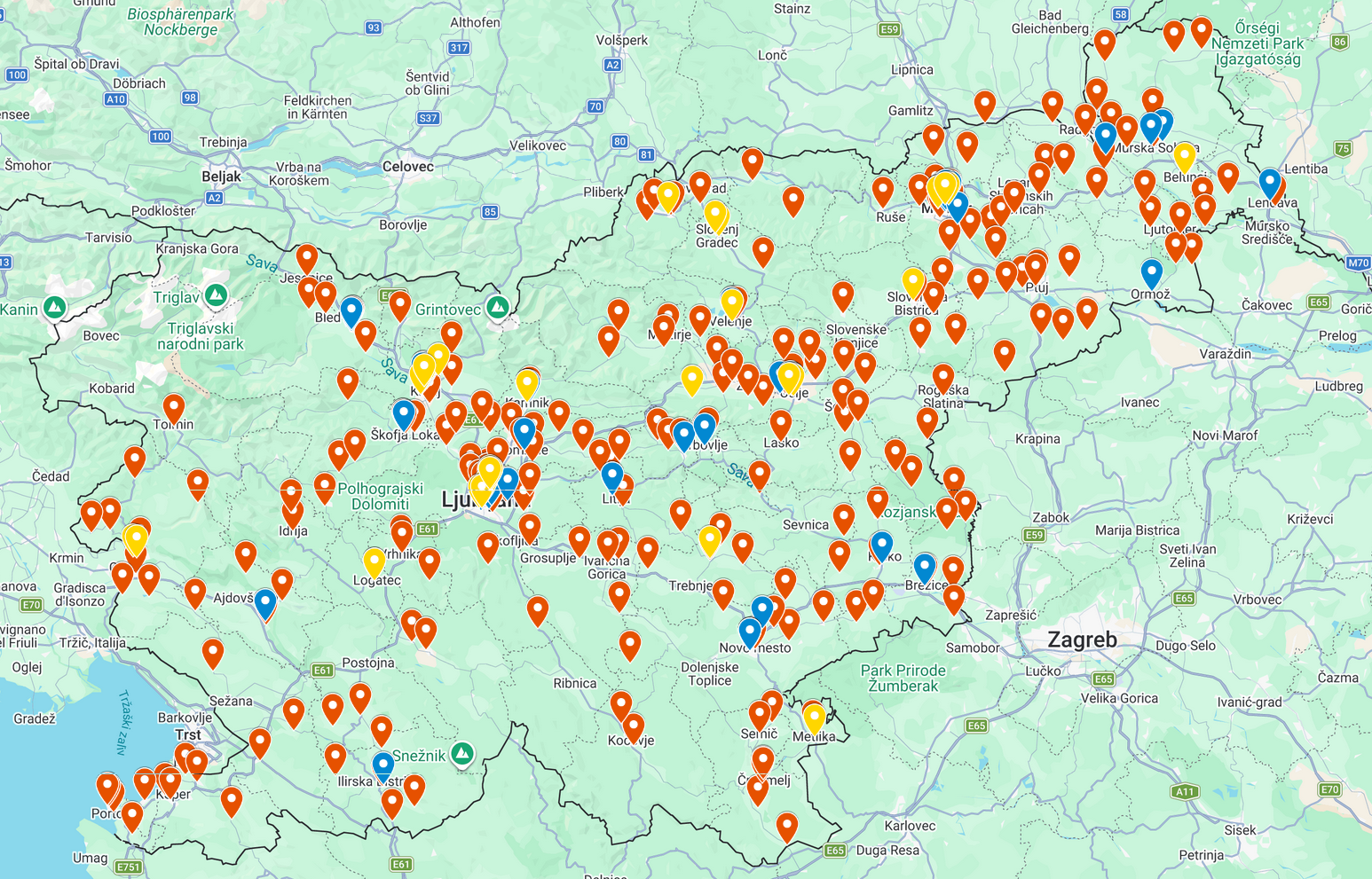
The activity package was ordered by 388 teachers and others working with young people from 325 schools and organisations. In total, more than 20,000 children and young people took part in the activities.
Webinar for parents and caregivers
On Safer Internet Day (10 February 2026), the awareness centre organised a webinar for parents entitled "Children and safe online shopping." Young people, especially teenagers, are exposed to advertising and other purchasing incentives when using the internet. In this way, they actively enter the world of consumerism and online shopping, whether they wish to or not, but are not yet fully familiar with it. The role of parents and caregivers is crucial, as most purchases are made together with their children.
To present parents with the most important risks they need to be aware of, in the first part of the webinar, an awareness centre expert presented the issue of advertising and incitement to purchase, while in the second part, an expert from the National Cybersecurity Response Centre (SI-CERT) warned of the scams and problems that teenagers and parents encounter when shopping.
The webinar was watched live by around 100 parents, and the recording had been viewed more than 400 times by the end of February. The evaluation showed that parents and caregivers were very satisfied with the webinar.
Online shopping checklist
The awareness centre has also prepared materials to assist with online shopping. A checklist for determining whether a purchase from an online store is safe can be printed out and used to check online stores. It is intended for teenagers and parents.
With three different interactive quizzes tailored to specific age groups of teenagers, they can test their knowledge of the risks of online shopping. With the interactive test "Check if it is safe to shop at an online store," users can check whether an online store is safe for shopping.
On social media
Throughout February, the Slovenian awareness centre ran an intensive promotional campaign on social media, reaching more than 48,000 young people and parents.
Find out more about Safer Internet Day in Slovenia. Alternatively, find more information about the work of the Slovenian Safer Internet Centre, including its awareness raising, helpline, hotline, and youth participation services, or find similar information for other Safer Internet Centres throughout Europe.


The Slovenian Safer Internet Centre has successfully concluded Safer Internet Month 2026. More than 20,000 children and teenagers participated in the main activity, "Internet safety month for schools," carrying out various activities in February related to the main theme of Safer Internet Day in Slovenia, "Young consumers on the internet."
The main theme of Safer Internet Day in Slovenia, "Young consumers on the internet," was based on findings from workshops conducted by the Safe.si awareness centre in primary and secondary schools. It was found that teenagers are very active in shopping online, either with their parents or caregivers, or independently, but are unaware of the associated risks.
Package for teachers and educators
As part of "Safer Internet Month for schools," the Awareness Centre prepared a package of activities for teachers and educators to use with their students. The package was divided into activities for each of the three years of primary school and for secondary school.
The core was a lesson on safe online shopping, which could be delivered in class, with various additional materials provided. The content covered not only scams and risks that can lead to financial loss, but also issues such as impulsive shopping, misleading advertising, and incitement to purchase. The aim was to teach young people what to look out for when visiting online stores, and how to recognise false and misleading offers.
The activity package was ordered by 388 teachers and others working with young people from 325 schools and organisations. In total, more than 20,000 children and young people took part in the activities.
Webinar for parents and caregivers
On Safer Internet Day (10 February 2026), the awareness centre organised a webinar for parents entitled "Children and safe online shopping." Young people, especially teenagers, are exposed to advertising and other purchasing incentives when using the internet. In this way, they actively enter the world of consumerism and online shopping, whether they wish to or not, but are not yet fully familiar with it. The role of parents and caregivers is crucial, as most purchases are made together with their children.
To present parents with the most important risks they need to be aware of, in the first part of the webinar, an awareness centre expert presented the issue of advertising and incitement to purchase, while in the second part, an expert from the National Cybersecurity Response Centre (SI-CERT) warned of the scams and problems that teenagers and parents encounter when shopping.
The webinar was watched live by around 100 parents, and the recording had been viewed more than 400 times by the end of February. The evaluation showed that parents and caregivers were very satisfied with the webinar.
Online shopping checklist
The awareness centre has also prepared materials to assist with online shopping. A checklist for determining whether a purchase from an online store is safe can be printed out and used to check online stores. It is intended for teenagers and parents.
With three different interactive quizzes tailored to specific age groups of teenagers, they can test their knowledge of the risks of online shopping. With the interactive test "Check if it is safe to shop at an online store," users can check whether an online store is safe for shopping.
On social media
Throughout February, the Slovenian awareness centre ran an intensive promotional campaign on social media, reaching more than 48,000 young people and parents.
Find out more about Safer Internet Day in Slovenia. Alternatively, find more information about the work of the Slovenian Safer Internet Centre, including its awareness raising, helpline, hotline, and youth participation services, or find similar information for other Safer Internet Centres throughout Europe.
- online shopping advertising purchases SID Safer Internet Day (SID)
Related content
- < Previous article
- Next article >
- < Previous
- Next >
Related articles


