
Safer Internet Day 2026 was celebrated in Croatia on 10 February, with activities taking place throughout February as part of the Safer Internet Month. The Croatian Safer Internet Centre (SIC), implemented by the Centre for Missing and Exploited Children, organised a wide range of educational activities, awareness campaigns and events aimed at promoting safe and responsible internet use among children, young people, parents and professionals.

The conference brought together children, experts and representatives of national institutions to discuss current challenges and opportunities in creating a safer digital environment for children.
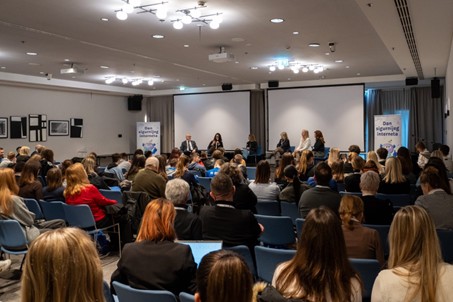
A key national event marking Safer Internet Day was the conference “Together for a better internet”, organised in Zagreb in cooperation with HAKOM, the Croatian Regulatory Authority for Network Industries and Digital Services Act Coordinator, and CARNET’s National CERT.
The conference brought together children, experts and representatives of national institutions to discuss current challenges and opportunities in creating a safer digital environment for children.
One of the central national activities was the Safer Internet Day online quiz, designed for three age groups: children aged 5–10, 11–13, and adolescents aged 14–18. The quiz attracted 29,745 participants from across Croatia, encouraging students to test their knowledge and learn about online safety in an engaging and interactive way.
To further support educational institutions, the Croatian Safer Internet Centre prepared educational workshop materials tailored for kindergartens, lower and upper primary school students, and secondary school students.
Educational institutions across the country were invited to register to receive these materials and implement workshops with their students during Safer Internet Month. The response was exceptionally strong, with more than 1,600 schools and kindergartens registering to participate and deliver activities on online safety in their classrooms.
Alongside these nationwide activities, the Croatian Safer Internet Centre carried out direct educational visits to schools. In Osijek, experts visited Sv. Ana Primary School, where they delivered a lecture for the teachers’ council on “Challenges in working with children in the 21st century” and organised an interactive online safety quiz for adolescents. Another activity took place at Mladost Primary School, where students participated in the workshop “Web detectives”, organised in cooperation with the Prevention Department of the Ministry of the Interior.
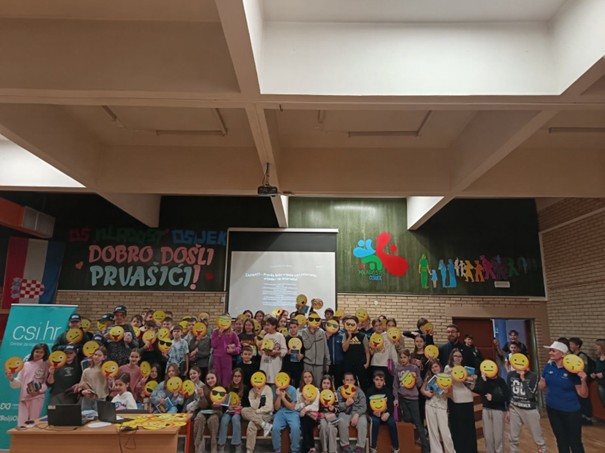
Educational activities were also implemented in Split, where parents attended a lecture on children’s online safety at Plokite Primary School, while students took part in an interactive online safety quiz designed to raise awareness about responsible digital behaviour.
A particularly important part of the conference programme was the active involvement of children. Young participants took part in dedicated workshops and later presented their work and perspectives to the adult audience and experts attending the conference. This approach highlighted the importance of recognising young perople not only as internet users who need protection, but also as active participants whose voices and experiences are essential in shaping policies and practices related to online safety.
The event also featured a panel discussion moderated by a 16-year-old student with representatives of key Croatian institutions discussing children’s online habits and institutional responsibilities for protecting children in the digital environment. The programme included expert presentations addressing topics such as digital wellbeing, online communication challenges, children’s use of generative AI, and national policies for creating a healthier digital environment.
Parents and caregivers were also actively engaged during Safer Internet Month through a series of three webinars, addressing topics such as digital intimacy, the impact of social media on mental health and self-image, and the prevention of online sexual abuse and exploitation of children. The webinars attracted hundreds of parents, demonstrating strong interest in strengthening their knowledge and skills to better support children online.
Through a combination of national campaigns, school-based activities, educational resources, and expert dialogue, Safer Internet Day 2026 in Croatia reached a very wide audience. Educational institutions across the country actively engaged in the campaign, while parents, professionals and young people participated in webinars, workshops, conferences and interactive learning activities.
In total, more than 50,000 young people, parents and professionals took part in Safer Internet Day activities in Croatia this year. This strong participation once again highlights the growing awareness of the importance of online safety and the need for continued cooperation between institutions, educators, families, and young people themselves.
By working together and actively involving children in the conversation, all stakeholders can continue building a safer, more responsible and empowering digital environment for all children and young people.
Find out more about Safer Internet Day in Croatia. Alternatively, find more information about the work of the Croatian Safer Internet Centre, including its awareness raising, helpline, hotline, and youth participation services, or find similar information for other Safer Internet Centres throughout Europe.


Safer Internet Day 2026 was celebrated in Croatia on 10 February, with activities taking place throughout February as part of the Safer Internet Month. The Croatian Safer Internet Centre (SIC), implemented by the Centre for Missing and Exploited Children, organised a wide range of educational activities, awareness campaigns and events aimed at promoting safe and responsible internet use among children, young people, parents and professionals.
The conference brought together children, experts and representatives of national institutions to discuss current challenges and opportunities in creating a safer digital environment for children.
A key national event marking Safer Internet Day was the conference “Together for a better internet”, organised in Zagreb in cooperation with HAKOM, the Croatian Regulatory Authority for Network Industries and Digital Services Act Coordinator, and CARNET’s National CERT.
The conference brought together children, experts and representatives of national institutions to discuss current challenges and opportunities in creating a safer digital environment for children.
One of the central national activities was the Safer Internet Day online quiz, designed for three age groups: children aged 5–10, 11–13, and adolescents aged 14–18. The quiz attracted 29,745 participants from across Croatia, encouraging students to test their knowledge and learn about online safety in an engaging and interactive way.
To further support educational institutions, the Croatian Safer Internet Centre prepared educational workshop materials tailored for kindergartens, lower and upper primary school students, and secondary school students.
Educational institutions across the country were invited to register to receive these materials and implement workshops with their students during Safer Internet Month. The response was exceptionally strong, with more than 1,600 schools and kindergartens registering to participate and deliver activities on online safety in their classrooms.
Alongside these nationwide activities, the Croatian Safer Internet Centre carried out direct educational visits to schools. In Osijek, experts visited Sv. Ana Primary School, where they delivered a lecture for the teachers’ council on “Challenges in working with children in the 21st century” and organised an interactive online safety quiz for adolescents. Another activity took place at Mladost Primary School, where students participated in the workshop “Web detectives”, organised in cooperation with the Prevention Department of the Ministry of the Interior.
Educational activities were also implemented in Split, where parents attended a lecture on children’s online safety at Plokite Primary School, while students took part in an interactive online safety quiz designed to raise awareness about responsible digital behaviour.
A particularly important part of the conference programme was the active involvement of children. Young participants took part in dedicated workshops and later presented their work and perspectives to the adult audience and experts attending the conference. This approach highlighted the importance of recognising young perople not only as internet users who need protection, but also as active participants whose voices and experiences are essential in shaping policies and practices related to online safety.
The event also featured a panel discussion moderated by a 16-year-old student with representatives of key Croatian institutions discussing children’s online habits and institutional responsibilities for protecting children in the digital environment. The programme included expert presentations addressing topics such as digital wellbeing, online communication challenges, children’s use of generative AI, and national policies for creating a healthier digital environment.
Parents and caregivers were also actively engaged during Safer Internet Month through a series of three webinars, addressing topics such as digital intimacy, the impact of social media on mental health and self-image, and the prevention of online sexual abuse and exploitation of children. The webinars attracted hundreds of parents, demonstrating strong interest in strengthening their knowledge and skills to better support children online.
Through a combination of national campaigns, school-based activities, educational resources, and expert dialogue, Safer Internet Day 2026 in Croatia reached a very wide audience. Educational institutions across the country actively engaged in the campaign, while parents, professionals and young people participated in webinars, workshops, conferences and interactive learning activities.
In total, more than 50,000 young people, parents and professionals took part in Safer Internet Day activities in Croatia this year. This strong participation once again highlights the growing awareness of the importance of online safety and the need for continued cooperation between institutions, educators, families, and young people themselves.
By working together and actively involving children in the conversation, all stakeholders can continue building a safer, more responsible and empowering digital environment for all children and young people.
Find out more about Safer Internet Day in Croatia. Alternatively, find more information about the work of the Croatian Safer Internet Centre, including its awareness raising, helpline, hotline, and youth participation services, or find similar information for other Safer Internet Centres throughout Europe.
- < Previous article
- Next article >
- < Previous
- Next >
Related articles


