
Nigeria joined the global celebrations of Safer Internet Day 2206 with an event at Onike girls’ junior school in Lagos. The theme of the day was “Smart tech, safe choices – exploring the safe and responsible use of AI”.

The International Centre for Leadership Development Nigeria (ICLDNG) successfully hosted the 2026 Safer Internet Day in Lagos, joining a global movement celebrated in over 180 countries. The event served as a critical intervention to equip the next generation with the ethical frameworks and technical knowledge required to navigate the rapidly evolving landscape of artificial intelligence and social media.
Impact at a glance
- Participants: 230+ students and 13 teachers.
- Reach: 13 public schools across Lagos State.
- Stakeholders involved: parents and caregivers, civil society organizations, and media representatives.
- New initiatives: induction of 50+ students into the newly formed ICLDNG Cyber Club.
- Advocacy: 230+ participants inaugurated as Cybercrime Prevention Ambassadors.
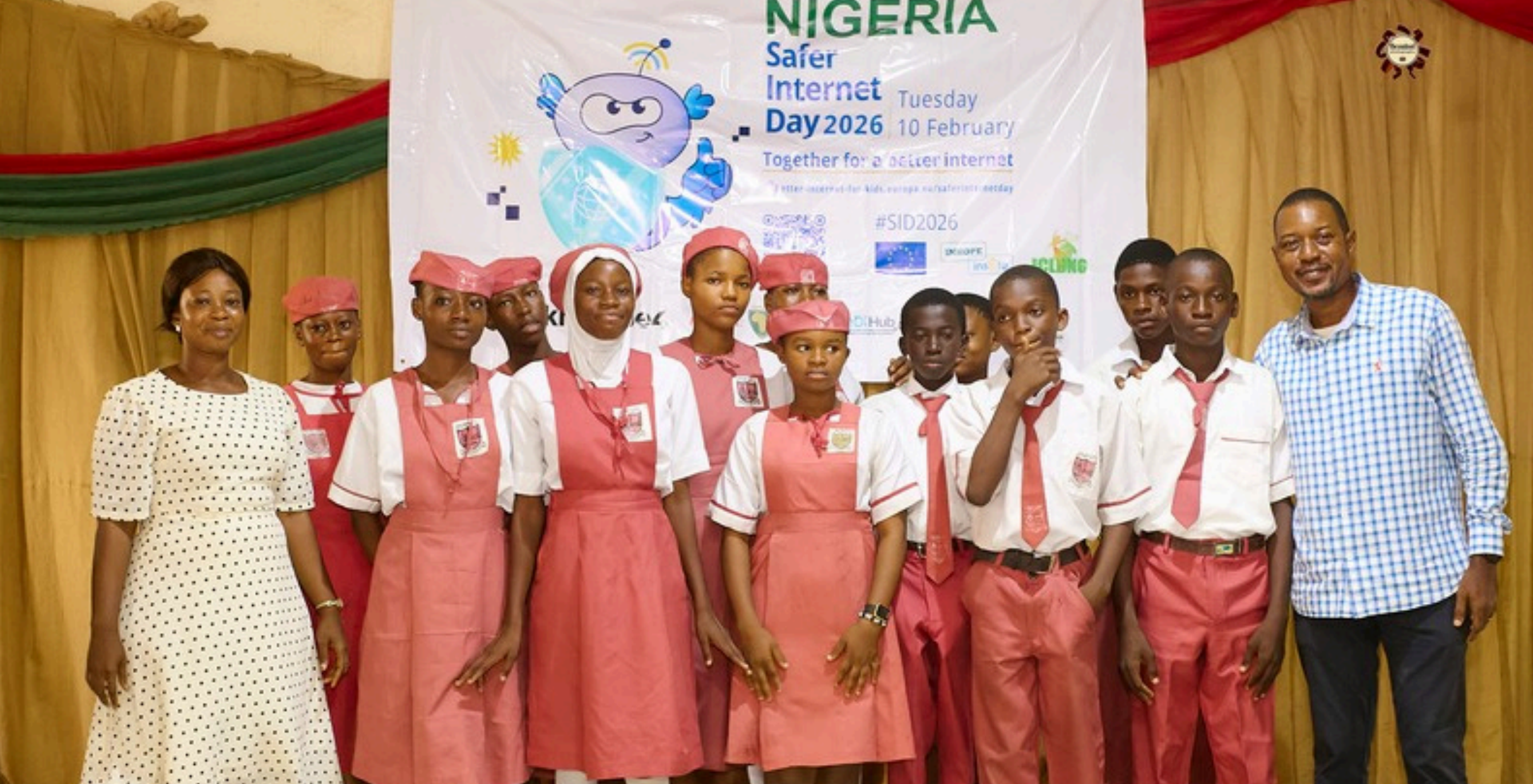
The event commenced with remarks from Dr. Akingbade, principal of the Onike girls’ junior school, who commended ICLDNG for bringing this global initiative to public school students. Felix Iziomoh, executive director of ICLDNG, delivered the welcome address, facilitating an interactive diagnostic session, where students shared current concerns regarding digital privacy and safety.
Mrs. Olayinka Fyncontry, a parent who was in attendance, gave the participants advice, she asked them questions such as what do they use the internet for, how many of them have mobile phones, and more. Some of the participants answered by telling her that they use the internet for assignment and for research on their school work.
Focus on AI, social media and online safety
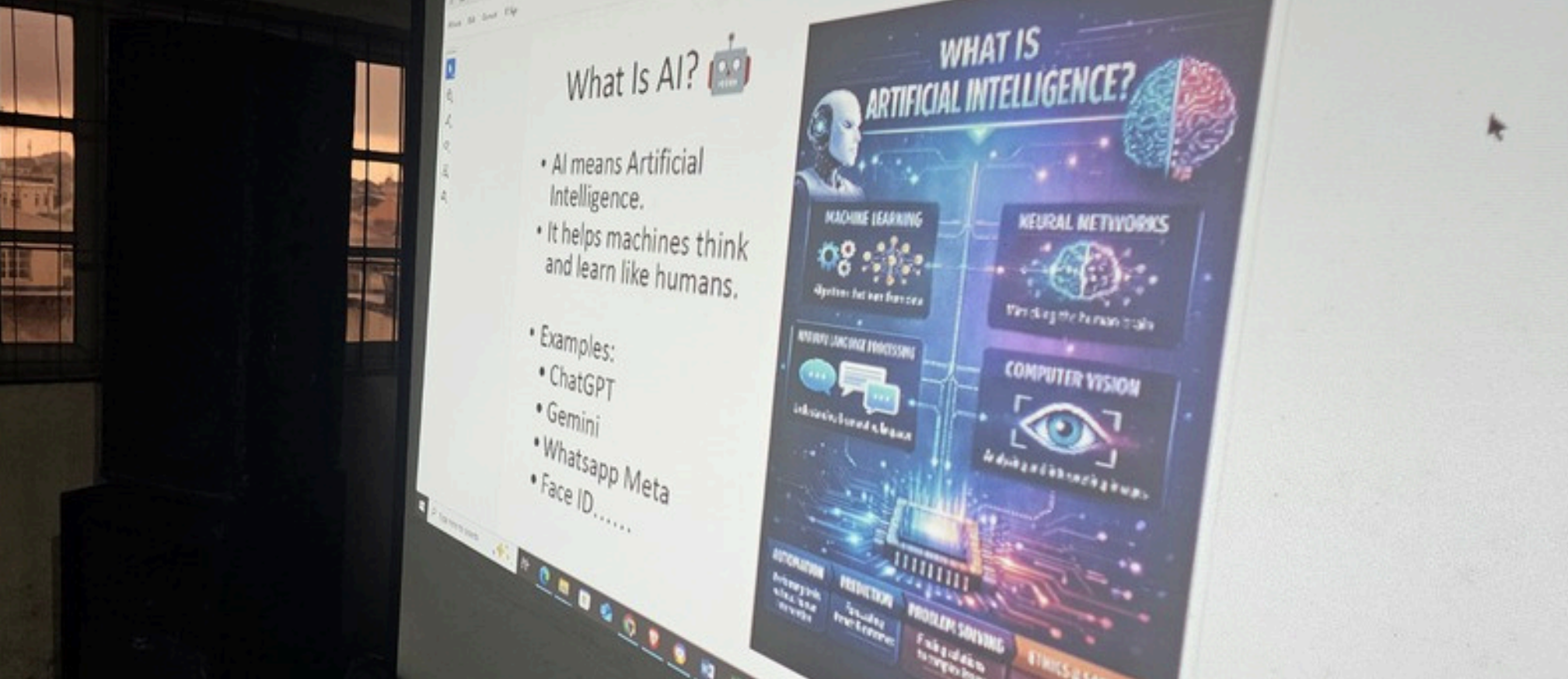
Seyi Alawuh spoke on AI, social media and online safety. The students were asked which apps they used most on social media, and how many hours they spent on social media. Their response indicated that they spent online more hours than expected. The definition of AI, examples of AI tools and social media platforms were mentioned again to affirm the previous response of the students on their knowledge of these apps.
A YES or NO set of questions was asked to the students to identify whether social media controlled the students, or if they felt they were in charge; the outcome showed that about 95 per cent felt they were controlled by social media. The students were taught how to use social media wisely and discussed essential social media safety rules. AI should assist and not replace the brain. Technology should serve you and not control you.
Motivating a new generation of ethical digital citizens
JaQuan Lavander explored the crucial differences between motivation and being driven, emphasising the importance of becoming driven leaders for success in both life and careers. Being driven is an intrinsic quality, characterised by a strong internal desire to achieve goals, overcome challenges, and strive for excellence. Driven leaders are proactive, persistently pursuing their objectives regardless of obstacles.
To succeed, students should set clear goals by identifying personal and professional aspirations to foster internal motivation. It's also important to cultivate resilience by embracing challenges and learning from failures rather than being deterred by them. Developing a growth mindset is essential; students should continuously seek improvement and new knowledge to stay motivated and driven. Encouraging students to embrace this mindset will empower them to become influential leaders who inspire not only themselves but also those around them.
Positive use of the internet
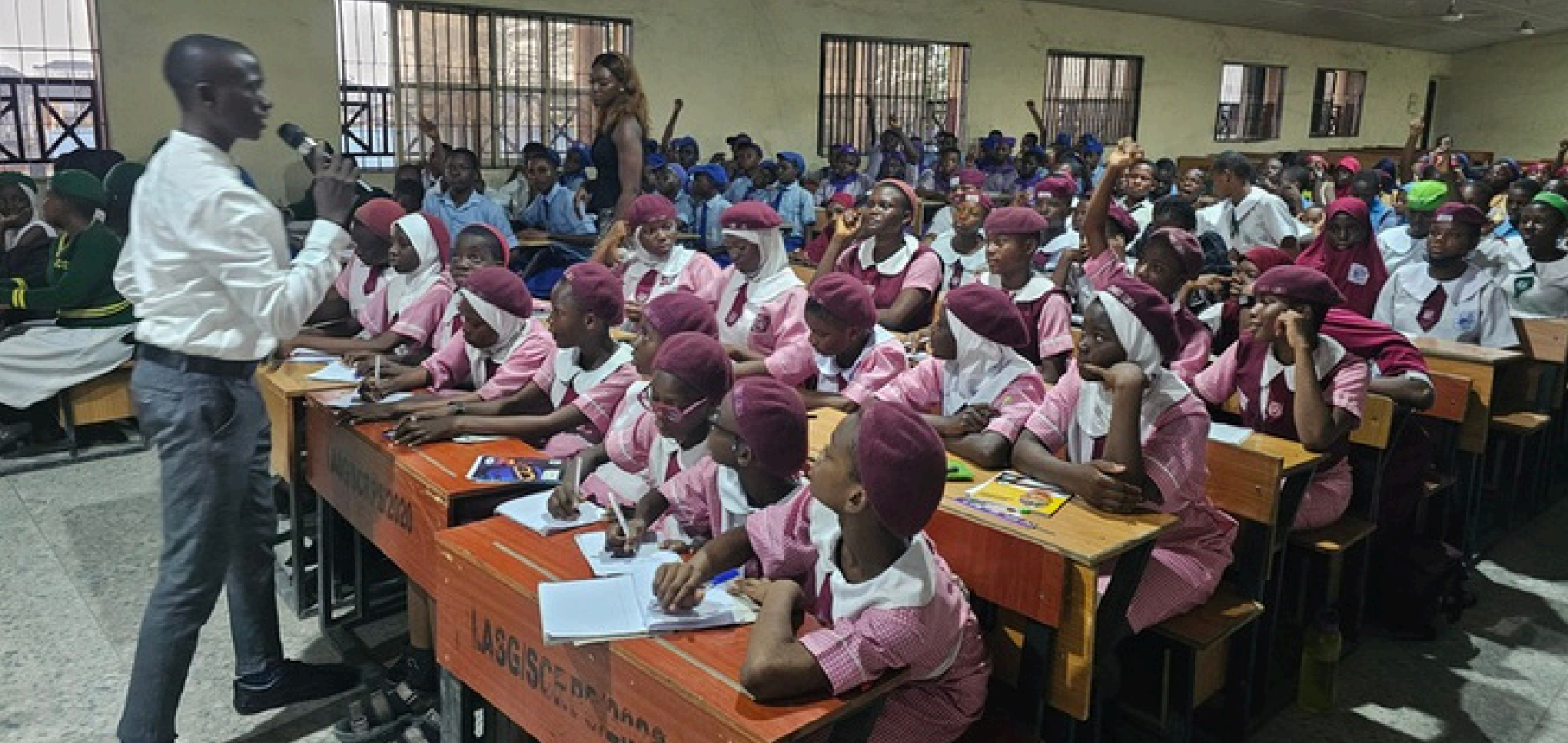
Chris Ibe, founder of the African Youth Initiative on Crime Prevention, delivered an impactful presentation on the positive use of the internet. In his session, he highlighted how young people can leverage the internet for education, entrepreneurship, innovation, networking, and global collaboration.
He further enlightened participants on the dangers of the dark web, stressing its links to cybercrime, illicit trafficking, identity theft, and other criminal activities, while outlining the legal and social consequences connected to illicit use of the internet. He encouraged responsible digital behaviour, ethical online conduct, and active participation in cybercrime prevention.
At the end of his presentation, he administered a pledge of commitment to all participants, charging them to be advocates in the fight against cybercrime. Consequently, all participants were formally inaugurated as Cybercrime Prevention Ambassadors.
Safer internet quiz
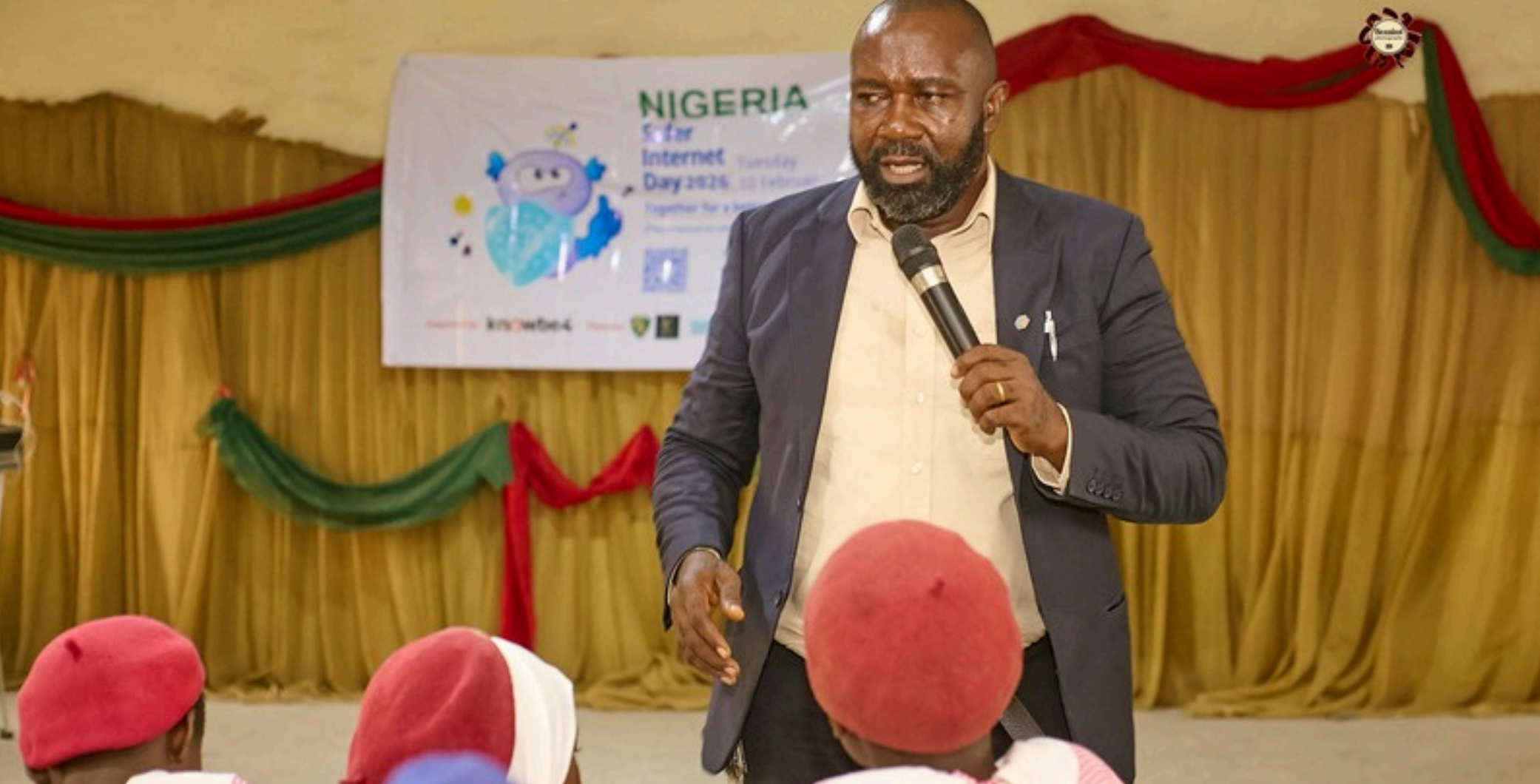
Adedoyin Adedeji hosted a quiz session by testing the students on their knowledge of internet safety. The interactive quiz kept the students engaged with gifts awarded for correct answers.
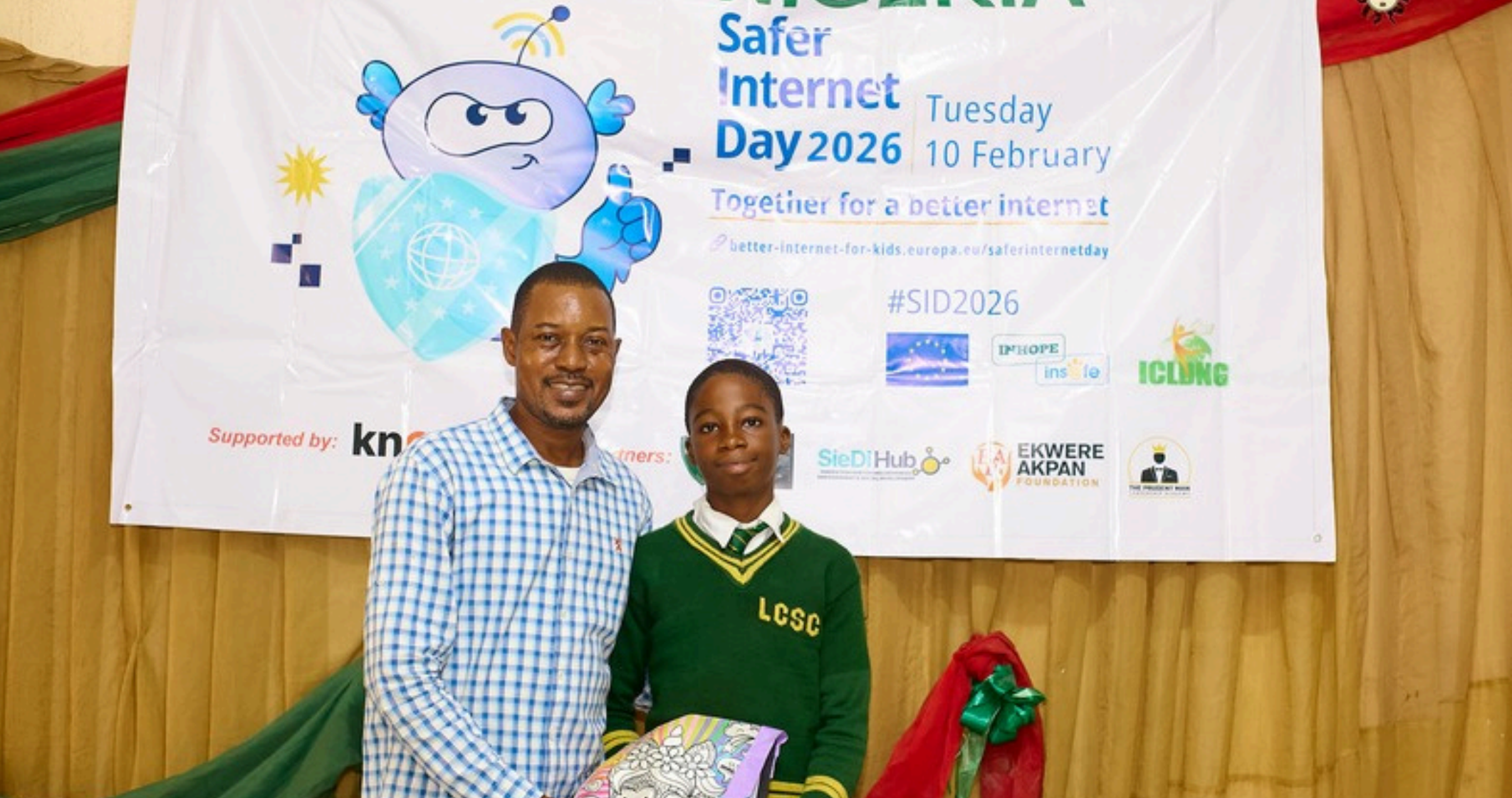
A highlight was the induction of over 50 students into the ICLDNG Cyber Club, fostering a community dedicated to promoting online safety and mental wellbeing.
Strategic outcomes
Students identified harmful digital habits and pledged to pivot toward using the internet for research, assignments, and innovation.
Engagement with parents and teachers highlighted prevalent social media risks, fostering a collaborative home-school protective environment. By training teachers alongside students, the event ensured that digital literacy becomes a sustainable part of the school culture.
Creating a safer internet requires a collective effort from individuals, organisations, and governments. Safer Internet Day 2026 proved that while technology is evolving, human values must remain at the centre. ICLDNG remains committed to scaling this initiative, and seeks partnerships to expand this digital safety net to underserved communities across Nigeria.
You can find more information about ICLDNG on their website, Facebook, X, Instagram, and TikTok profiles.
Find out more about Safer Internet Day in Nigeria.


Nigeria joined the global celebrations of Safer Internet Day 2206 with an event at Onike girls’ junior school in Lagos. The theme of the day was “Smart tech, safe choices – exploring the safe and responsible use of AI”.
The International Centre for Leadership Development Nigeria (ICLDNG) successfully hosted the 2026 Safer Internet Day in Lagos, joining a global movement celebrated in over 180 countries. The event served as a critical intervention to equip the next generation with the ethical frameworks and technical knowledge required to navigate the rapidly evolving landscape of artificial intelligence and social media.
Impact at a glance
- Participants: 230+ students and 13 teachers.
- Reach: 13 public schools across Lagos State.
- Stakeholders involved: parents and caregivers, civil society organizations, and media representatives.
- New initiatives: induction of 50+ students into the newly formed ICLDNG Cyber Club.
- Advocacy: 230+ participants inaugurated as Cybercrime Prevention Ambassadors.
The event commenced with remarks from Dr. Akingbade, principal of the Onike girls’ junior school, who commended ICLDNG for bringing this global initiative to public school students. Felix Iziomoh, executive director of ICLDNG, delivered the welcome address, facilitating an interactive diagnostic session, where students shared current concerns regarding digital privacy and safety.
Mrs. Olayinka Fyncontry, a parent who was in attendance, gave the participants advice, she asked them questions such as what do they use the internet for, how many of them have mobile phones, and more. Some of the participants answered by telling her that they use the internet for assignment and for research on their school work.
Focus on AI, social media and online safety
Seyi Alawuh spoke on AI, social media and online safety. The students were asked which apps they used most on social media, and how many hours they spent on social media. Their response indicated that they spent online more hours than expected. The definition of AI, examples of AI tools and social media platforms were mentioned again to affirm the previous response of the students on their knowledge of these apps.
A YES or NO set of questions was asked to the students to identify whether social media controlled the students, or if they felt they were in charge; the outcome showed that about 95 per cent felt they were controlled by social media. The students were taught how to use social media wisely and discussed essential social media safety rules. AI should assist and not replace the brain. Technology should serve you and not control you.
Motivating a new generation of ethical digital citizens
JaQuan Lavander explored the crucial differences between motivation and being driven, emphasising the importance of becoming driven leaders for success in both life and careers. Being driven is an intrinsic quality, characterised by a strong internal desire to achieve goals, overcome challenges, and strive for excellence. Driven leaders are proactive, persistently pursuing their objectives regardless of obstacles.
To succeed, students should set clear goals by identifying personal and professional aspirations to foster internal motivation. It's also important to cultivate resilience by embracing challenges and learning from failures rather than being deterred by them. Developing a growth mindset is essential; students should continuously seek improvement and new knowledge to stay motivated and driven. Encouraging students to embrace this mindset will empower them to become influential leaders who inspire not only themselves but also those around them.
Positive use of the internet
Chris Ibe, founder of the African Youth Initiative on Crime Prevention, delivered an impactful presentation on the positive use of the internet. In his session, he highlighted how young people can leverage the internet for education, entrepreneurship, innovation, networking, and global collaboration.
He further enlightened participants on the dangers of the dark web, stressing its links to cybercrime, illicit trafficking, identity theft, and other criminal activities, while outlining the legal and social consequences connected to illicit use of the internet. He encouraged responsible digital behaviour, ethical online conduct, and active participation in cybercrime prevention.
At the end of his presentation, he administered a pledge of commitment to all participants, charging them to be advocates in the fight against cybercrime. Consequently, all participants were formally inaugurated as Cybercrime Prevention Ambassadors.
Safer internet quiz
Adedoyin Adedeji hosted a quiz session by testing the students on their knowledge of internet safety. The interactive quiz kept the students engaged with gifts awarded for correct answers.
A highlight was the induction of over 50 students into the ICLDNG Cyber Club, fostering a community dedicated to promoting online safety and mental wellbeing.
Strategic outcomes
Students identified harmful digital habits and pledged to pivot toward using the internet for research, assignments, and innovation.
Engagement with parents and teachers highlighted prevalent social media risks, fostering a collaborative home-school protective environment. By training teachers alongside students, the event ensured that digital literacy becomes a sustainable part of the school culture.
Creating a safer internet requires a collective effort from individuals, organisations, and governments. Safer Internet Day 2026 proved that while technology is evolving, human values must remain at the centre. ICLDNG remains committed to scaling this initiative, and seeks partnerships to expand this digital safety net to underserved communities across Nigeria.
You can find more information about ICLDNG on their website, Facebook, X, Instagram, and TikTok profiles.
Find out more about Safer Internet Day in Nigeria.
- artificial intelligence (AI) social media scams mental health
Related content
- < Previous article
- Next article >
- < Previous
- Next >
Related articles


