
The Insafe network of helplines collects data on the calls received, which is analysed every three months to identify possible trends and emerging issues.

The most recent helpline data covers the first quarter of 2026, from January to March inclusive. Data were collected from 27 helplines in 26 countries, and over 17,000 contacts were received regarding online issues.
Almost 60 per cent of these contacts came from 11-18-year-olds, 40 per cent from the 14-18 age group, and 19 per cent from the 11-13 age group. 52 per cent of contacts were made by phone, and 34 per cent via chat.
Just under 13 per cent of contacts related to cyberbullying, which continues to be the most common reason for contacting an Insafe helpline. Unfortunately, the online sexual coercion and extortion of children (previously referred to as sextortion) is now the second most common reason and accounts for almost 10 and a half per cent of all contacts. A further seven per cent of contacts related to the non-consensual sharing of intimate images (NCSII). Artificial intelligence (AI) continues to feature in many of the online sexual coercion cases, with nudifying apps and tools becoming easier to access and use. Some countries have made these apps illegal, but they are still relatively easy to find. Further information about the EU approach to AI image generation and the spread of online child sexual abuse material (CSAM) can be found in a briefing document prepared by the European Parliament.
Despite the ongoing debate about social media, AI companions and chatbots are being used by an increasing number of young people, as evidenced by the EU Kids Online research published in February, which found that 72 per cent of 9–16-year-olds engage in some form of GenAI activity. Some callers to helplines have explained that they are in love with an AI chatbot. In one case, a caller talked about how their AI companion would tell them what to make for lunch and which clothes to wear. AI is also increasingly used in scams and phishing attempts, making these cases more complex and sophisticated.
Where possible, helplines capture information about the platforms where a problem occurred. During this reporting period, 47 per cent of cases involved social media platforms, with a further 42 per cent on messaging platforms (e.g. WhatsApp, Signal, Telegram). A further eight per cent took place in video games.
The table below shows the percentage of contacts assigned to each category.
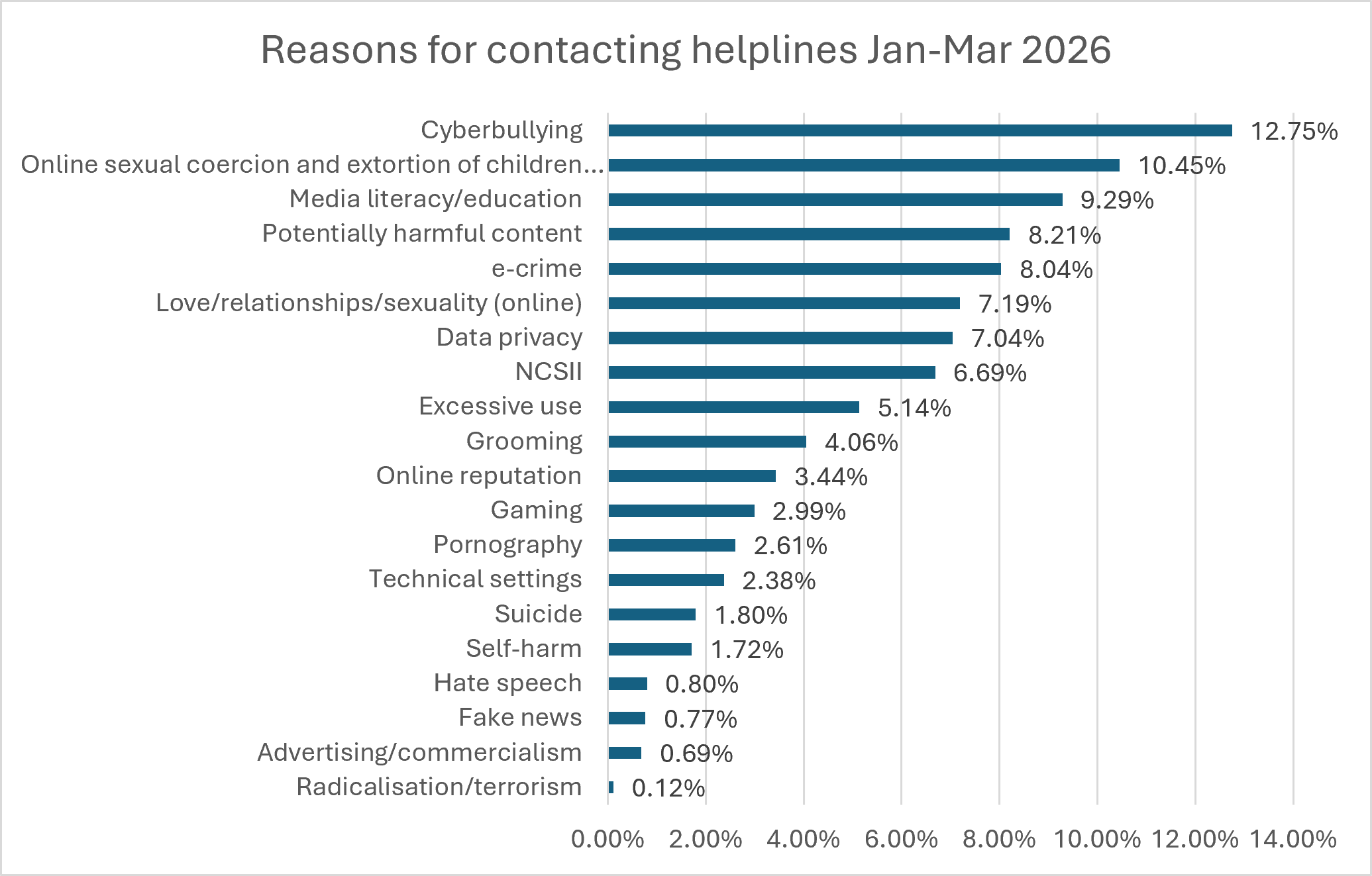
Figure 1 (above). Main reasons for contacting a helpline in Q1 2026 (January – March 2026)
| Radicalisation/terrorism | 0.12% |
| Advertising/commercialism | 0.69% |
| Fake news | 0.77% |
| Hate speech | 0.80% |
| Self-harm | 1.72% |
| Suicide | 1.80% |
| Technical settings | 2.38% |
| Pornography | 2.61% |
| Gaming | 2.99% |
| Online reputation | 3.44% |
| Grooming | 4.06% |
| Excessive use | 5.14% |
| NCSII | 6.69% |
| Data privacy | 7.04% |
| Love/relationships/sexuality (online) | 7.19% |
| e-crime | 8.04% |
| Potentially harmful content | 8.21% |
| Media literacy/education | 9.29% |
| Online sexual coercion and extortion of children (sextortion) | 10.45% |
| Cyberbullying | 12.75% |
Table 1 (above). Main reasons for contacting a helpline in Q1 2026 (January - March 2026)
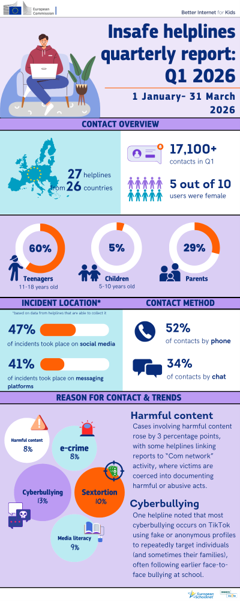
Figure 2 (above). Infographic summarising the main reasons for contacting a helpline in Q1 2026 (January – March 2026). Click the image to see the infographic in full size.
Find out more about country-based helpline services, operating as part of the national Safer Internet Centre and keep up to date with news on helpline services and trends.
More on internet usage, practices and engagement


The Insafe network of helplines collects data on the calls received, which is analysed every three months to identify possible trends and emerging issues.
The most recent helpline data covers the first quarter of 2026, from January to March inclusive. Data were collected from 27 helplines in 26 countries, and over 17,000 contacts were received regarding online issues.
Almost 60 per cent of these contacts came from 11-18-year-olds, 40 per cent from the 14-18 age group, and 19 per cent from the 11-13 age group. 52 per cent of contacts were made by phone, and 34 per cent via chat.
Just under 13 per cent of contacts related to cyberbullying, which continues to be the most common reason for contacting an Insafe helpline. Unfortunately, the online sexual coercion and extortion of children (previously referred to as sextortion) is now the second most common reason and accounts for almost 10 and a half per cent of all contacts. A further seven per cent of contacts related to the non-consensual sharing of intimate images (NCSII). Artificial intelligence (AI) continues to feature in many of the online sexual coercion cases, with nudifying apps and tools becoming easier to access and use. Some countries have made these apps illegal, but they are still relatively easy to find. Further information about the EU approach to AI image generation and the spread of online child sexual abuse material (CSAM) can be found in a briefing document prepared by the European Parliament.
Despite the ongoing debate about social media, AI companions and chatbots are being used by an increasing number of young people, as evidenced by the EU Kids Online research published in February, which found that 72 per cent of 9–16-year-olds engage in some form of GenAI activity. Some callers to helplines have explained that they are in love with an AI chatbot. In one case, a caller talked about how their AI companion would tell them what to make for lunch and which clothes to wear. AI is also increasingly used in scams and phishing attempts, making these cases more complex and sophisticated.
Where possible, helplines capture information about the platforms where a problem occurred. During this reporting period, 47 per cent of cases involved social media platforms, with a further 42 per cent on messaging platforms (e.g. WhatsApp, Signal, Telegram). A further eight per cent took place in video games.
The table below shows the percentage of contacts assigned to each category.
Figure 1 (above). Main reasons for contacting a helpline in Q1 2026 (January – March 2026)
| Radicalisation/terrorism | 0.12% |
| Advertising/commercialism | 0.69% |
| Fake news | 0.77% |
| Hate speech | 0.80% |
| Self-harm | 1.72% |
| Suicide | 1.80% |
| Technical settings | 2.38% |
| Pornography | 2.61% |
| Gaming | 2.99% |
| Online reputation | 3.44% |
| Grooming | 4.06% |
| Excessive use | 5.14% |
| NCSII | 6.69% |
| Data privacy | 7.04% |
| Love/relationships/sexuality (online) | 7.19% |
| e-crime | 8.04% |
| Potentially harmful content | 8.21% |
| Media literacy/education | 9.29% |
| Online sexual coercion and extortion of children (sextortion) | 10.45% |
| Cyberbullying | 12.75% |
Table 1 (above). Main reasons for contacting a helpline in Q1 2026 (January - March 2026)
Figure 2 (above). Infographic summarising the main reasons for contacting a helpline in Q1 2026 (January – March 2026). Click the image to see the infographic in full size.
Find out more about country-based helpline services, operating as part of the national Safer Internet Centre and keep up to date with news on helpline services and trends.
- < Previous article
- Next article >
More on internet usage, practices and engagement
- < Previous
- Next >
More on internet usage, practices and engagement
Related articles


